Why Regular Eye Examinations Are Essential—Even If You Think Your Vision Is Perfect
Perfect vision doesn't always mean healthy eyes. Learn why skipping your annual eye exam could put your long-term sight—and your general health—at risk.
The "Perfect Vision" Myth
One of the most common reasons people avoid visiting the optometrist is a simple one: "I can see perfectly fine." It is a logical assumption—we go to the dentist when our teeth hurt, and the doctor when we feel sick. But applying this logic to eye care is a dangerous misconception. Perfect 20/20 vision is a measure of how sharply you can see at a distance; it is not a guarantee that your eyes are healthy.
Vision vs. Eye Health
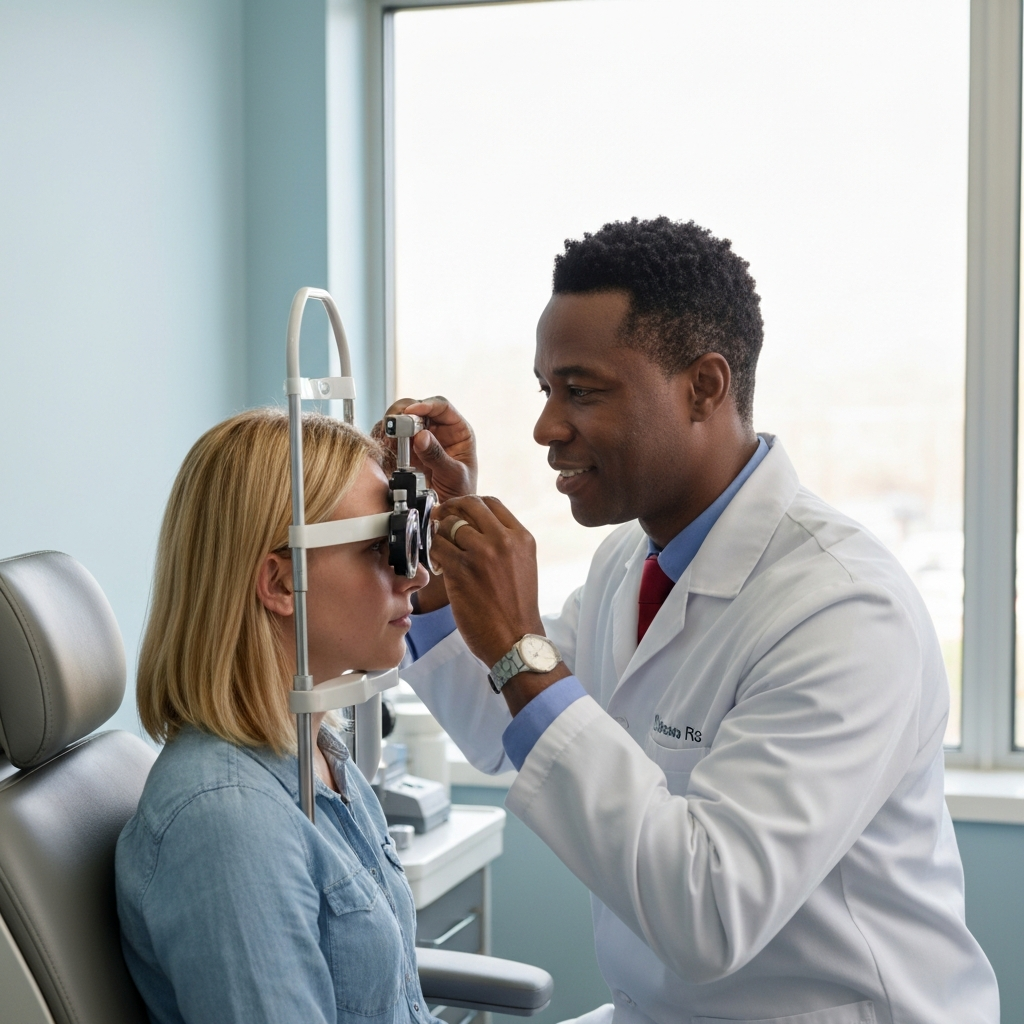
A comprehensive eye examination at Allure Eyecare Ltd evaluates two distinct aspects of your eyes: visual acuity (how well you see) and ocular health (the physical condition of the eye). While you may pass a vision screening with flying colors, a comprehensive exam looks deep inside the eye to check for diseases that have no early symptoms.
Detecting the Silent Thieves of Sight
Many of the most severe eye diseases develop slowly and painlessly, causing irreversible damage before you ever notice a blur or a blind spot.
- Glaucoma: Often called the "silent thief of sight," glaucoma damages the optic nerve due to high eye pressure. It destroys peripheral vision first, meaning you won't notice it until significant, permanent damage has occurred.
- Macular Degeneration: The leading cause of vision loss in older adults, it affects the central vision. Early signs can only be detected by examining the retina.
- Diabetic Retinopathy: Diabetes damages the tiny blood vessels in the retina. Often, there are no visual symptoms until the disease is advanced and threatening your sight.
A Window to Your Overall Health
Your eyes are the only place in the human body where a doctor can observe live blood vessels and nerves without making an incision. Because of this, a comprehensive eye exam can often detect early signs of systemic health issues before your primary care physician does.
During a routine eye exam, an optometrist might be the first to spot signs of:
- High Blood Pressure: Evidenced by changes in the retinal blood vessels.
- High Cholesterol: Sometimes visible as a white ring around the cornea or yellowish deposits in the retina.
- Diabetes: Small hemorrhages in the retina are classic early signs.
- Neurological Conditions: Swelling of the optic nerve can indicate issues ranging from inflammation to brain tumors.
Updating Your Visual Needs
Even if you don't have a disease, your visual needs change. You might not realize that you are straining to read or experiencing headaches from computer use because the changes happen so gradually. An exam ensures your eyes are working efficiently and comfortably together.
Professional Recommendation
Prevention is always better—and less expensive—than a cure. We recommend that adults have a comprehensive eye examination every 1 to 2 years, regardless of how well they think they can see. If you have a family history of eye disease, diabetes, or are over the age of 60, annual exams are crucial. Don't wait for a problem to appear; protect your vision proactively.
Frequently Asked Questions
What is the difference between a vision screening and an eye exam?
A vision screening (like at a school or the DMV) only checks if you can see clearly at a distance. A comprehensive eye exam evaluates the internal and external health of the eye, checks for diseases, and assesses how well your eyes work together.
Does an eye exam require my eyes to be dilated?
Often, yes. Dilating the pupils allows the optometrist to get a wide, clear view of the back of the eye (the retina and optic nerve), which is essential for detecting diseases like glaucoma and macular degeneration.
Related Articles
Why Thousands of People Lose Their Sight Every Year—And How a Simple Eye Examination Can Help Prevent It
Vision loss is often preventable. Learn why routine eye examinations are the single most important step you can take to preserve your sight for a lifetime.

Healthy Eyes for Life: Everyday Habits That Can Protect Your Vision as You Grow Older
Genetics play a role in eye health, but your daily habits matter just as much. Discover the lifestyle changes you can make today to preserve your vision for tomorrow.

The Silent Vision Thief: 12 Early Warning Signs You Should Never Ignore Before It's Too Late
Many serious eye conditions develop without obvious symptoms. Learn the subtle warning signs that indicate you need an immediate eye examination to protect your vision.
Need Professional Eye Care Advice?
Don't leave your vision to chance. Our experienced optometrists at Allure Eyecare Ltd are ready to help you maintain healthy eyes and clear vision.