Dry Eyes, Red Eyes, or Watery Eyes? Understanding the Real Causes and the Best Treatment Options
It sounds contradictory, but watery eyes are often a symptom of dry eyes. Uncover the real reasons behind your eye irritation and how to find lasting relief.
The Paradox of Watery Eyes
It is one of the most common complaints we hear at Allure Eyecare Ltd: "My eyes are constantly tearing up and watering, how can they possibly be dry?" It sounds like a contradiction, but excessive tearing is actually a classic symptom of Dry Eye Syndrome. Understanding how the tear film works is the first step to finding relief from red, gritty, and irritated eyes.
Understanding the Tear Film
Your tears are not just water; they are a complex, three-layered film essential for clear vision and eye comfort:
- The Mucin Layer (Bottom): Helps the tears adhere to the surface of the eye.
- The Aqueous Layer (Middle): The watery part that provides moisture and washes away debris.
- The Lipid Layer (Top): An oily layer produced by the meibomian glands in the eyelids that prevents the watery layer from evaporating too quickly.
What Causes Dry Eye Syndrome?
Dry eye occurs when this delicate balance is disrupted, usually falling into one of two categories:
1. Decreased Tear Production
Your eyes simply do not produce enough of the watery component of tears. This is common with aging, hormonal changes (especially in women during menopause), certain medical conditions (like rheumatoid arthritis or thyroid disorders), and as a side effect of medications like antihistamines and decongestants.
2. Evaporative Dry Eye (Meibomian Gland Dysfunction)
This is the most common cause. The tiny glands in your eyelids that produce the oily layer become clogged. Without this protective oil, the watery tears evaporate almost immediately upon hitting the air. The eye becomes dry and irritated, prompting the brain to send a signal for "emergency" tears. This results in a sudden flood of watery tears that lack the oily layer, so they quickly run down your face without actually lubricating the eye—hence, the paradox of watery dry eyes.
Symptoms to Watch For
- A stinging, burning, or scratchy sensation in your eyes.
- Stringy mucus in or around your eyes.
- Sensitivity to light.
- Eye redness.
- A sensation of having something in your eyes.
- Difficulty wearing contact lenses.
- Blurred vision or eye fatigue.
Treatment Options: Beyond Basic Eye Drops
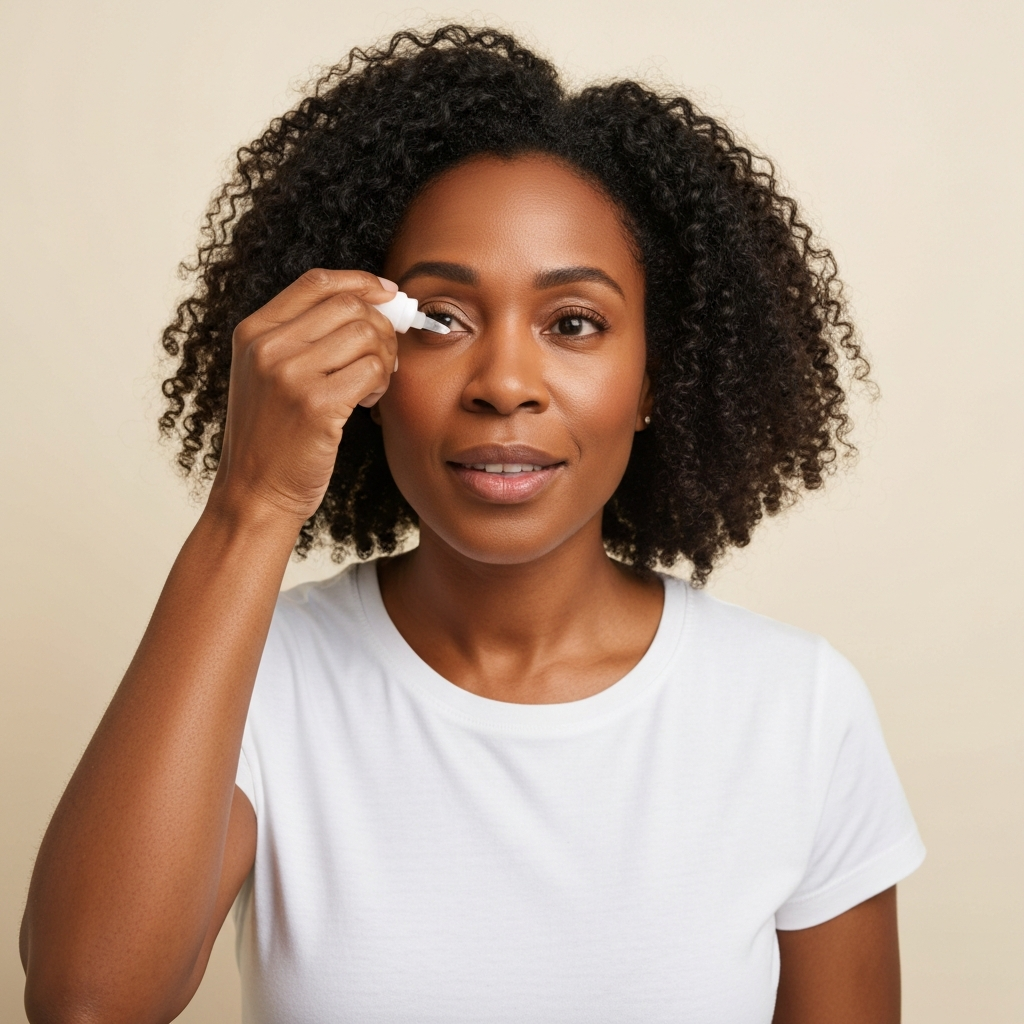
While over-the-counter "get the red out" drops might offer temporary cosmetic relief, they often cause a rebound effect, making the redness and dryness worse in the long run. Proper treatment requires addressing the root cause:
- Artificial Tears: Preservative-free lubricating drops help supplement natural tears.
- Warm Compresses and Lid Massage: Helps melt the hardened oil blocking the meibomian glands.
- Omega-3 Supplements: Can improve the quality of the oily layer of the tear film.
- Prescription Medications: Drops that reduce inflammation on the eye surface to encourage natural tear production.
- Punctal Plugs: Tiny silicone plugs inserted into the tear ducts to keep tears on the eye surface longer.
Professional Recommendation
If you are constantly battling red, gritty, or watery eyes, stop relying on basic pharmacy drops. Schedule an evaluation at Allure Eyecare Ltd. We can perform specific tests to determine exactly which layer of your tear film is deficient and create a targeted treatment plan to restore your comfort and protect your ocular surface.
Frequently Asked Questions
Can fans or air conditioning cause dry eyes?
Yes. Direct airflow from fans, air conditioning vents, or heaters dramatically increases tear evaporation, exacerbating dry eye symptoms. Try to position yourself so air is not blowing directly into your face.
Are 'redness relief' drops bad for my eyes?
Frequent use of drops that promise to 'get the red out' can be harmful. They work by constricting blood vessels. When the drop wears off, the vessels often dilate even larger than before (rebound redness), creating a cycle of dependency and worsening underlying dryness.
Related Articles

The Silent Vision Thief: 12 Early Warning Signs You Should Never Ignore Before It's Too Late
Many serious eye conditions develop without obvious symptoms. Learn the subtle warning signs that indicate you need an immediate eye examination to protect your vision.

Could Your Daily Screen Time Be Damaging Your Eyes? What Every Professional, Student, and Parent Needs to Know
In our digital world, screens are unavoidable. Discover how excessive screen time impacts your eye health and learn practical, evidence-based strategies to protect your vision.

Why Thousands of People Lose Their Sight Every Year—And How a Simple Eye Examination Can Help Prevent It
Vision loss is often preventable. Learn why routine eye examinations are the single most important step you can take to preserve your sight for a lifetime.
Need Professional Eye Care Advice?
Don't leave your vision to chance. Our experienced optometrists at Allure Eyecare Ltd are ready to help you maintain healthy eyes and clear vision.