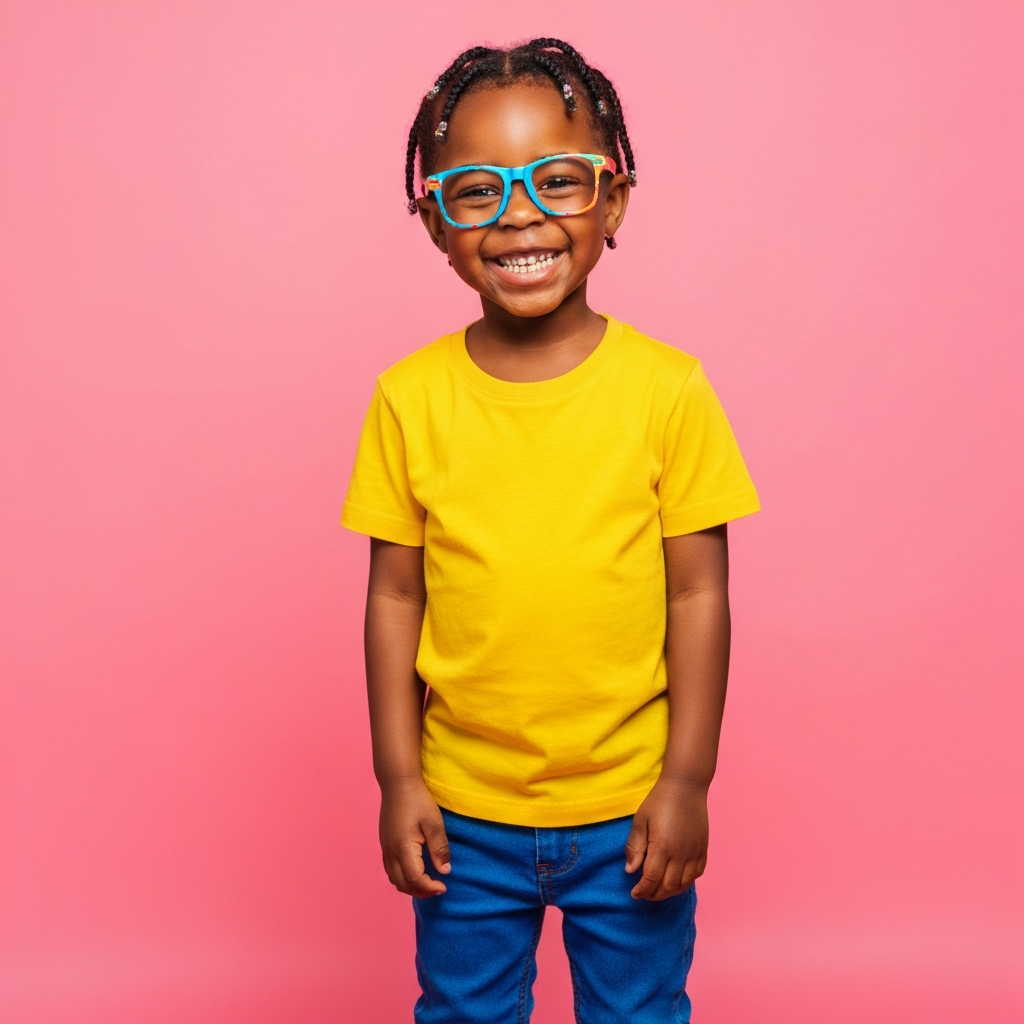
Children's Eye Health: 15 Warning Signs Every Parent Should Know Before School Starts
80% of a child's learning is visual. Discover the subtle signs that your child might be struggling with an undiagnosed vision problem before it affects their education.
The Hidden Barrier to Learning
As a parent, you ensure your child has the right books, a good backpack, and a healthy lunch before sending them off to school. But have you checked their most important learning tool? Experts estimate that up to 80% of all learning during a child's first 12 years is visual. Yet, countless children struggle in the classroom simply because they cannot see the board or focus on their books properly.
Why Children Don't Complain About Poor Vision
One of the biggest challenges in pediatric eye care is that children rarely complain about vision problems. Why? Because they assume everyone sees the world exactly the way they do. If a child has always seen text as slightly blurry, they don't know it's supposed to be sharp. This is why parents and teachers must be vigilant in spotting the behavioral signs of visual distress.
15 Warning Signs to Watch For
If you notice your child exhibiting any of these behaviors, it may indicate an underlying vision issue:
- Squinting: A classic sign of trying to compensate for blurry distance vision (myopia).
- Sitting Too Close: Sitting very close to the television or holding tablets and books right up to their face.
- Eye Rubbing: Frequent eye rubbing, especially while reading or doing close work, indicates eye fatigue and strain.
- Head Tilting or Covering One Eye: This is often an attempt to adjust the angle of vision to compensate for a lazy eye (amblyopia) or misaligned eyes (strabismus).
- Short Attention Span: Children with uncorrected vision problems often lose interest quickly in activities that require visual concentration, such as reading or coloring.
- Avoiding Reading: A sudden dislike for reading or avoiding visually demanding tasks.
- Losing Their Place: Frequently losing their place while reading or using a finger to track the text long after they should have outgrown the habit.
- Frequent Headaches: Complaining of headaches, particularly frontal headaches or pain around the eyes, after school or reading.
- Sensitivity to Light: Extreme sensitivity to indoor lighting or sunlight.
- Poor Hand-Eye Coordination: Difficulty catching a ball, clumsiness, or poor performance in sports.
- Watery Eyes: Excessive tearing not related to crying or allergies.
- Red or Irritated Eyes: Persistent redness or swelling around the eyelids.
- Reversing Letters: While normal in early learning, persistent reversal of letters (like 'b' and 'd') beyond early primary school can sometimes be linked to visual processing issues.
- Closing One Eye in Sunlight: Often a sign of an eye turn (strabismus) that becomes more pronounced in bright light.
- Falling Behind in School: Unexplained drops in academic performance or behavioral issues in the classroom are frequently linked to undiagnosed vision problems.
The Importance of Early Intervention
Conditions like amblyopia (lazy eye) and strabismus (crossed eyes) are highly treatable if caught early—ideally before the age of 7 or 8. After this critical period of visual development, treatment becomes significantly more difficult and less successful.
Professional Recommendation
Do not rely solely on school vision screenings, which often only test for distance vision and miss issues with near vision, eye tracking, and eye coordination. At Allure Eyecare Ltd, we recommend that every child have a comprehensive eye examination before starting school, and annually thereafter. Our pediatric eye exams are designed to be comfortable, engaging, and thorough, ensuring your child has the visual skills they need to succeed.
Frequently Asked Questions
At what age should my child have their first eye test?
We recommend the first comprehensive eye assessment at around 6 months of age, again at age 3, and then right before they start primary school (around age 5 or 6). Annual exams are recommended thereafter.
How do you test a child's eyes if they can't read letters yet?
We use specialized pediatric techniques. Instead of letters, we use shapes, pictures, and objective equipment (like retinoscopy) that allows us to determine a child's prescription and assess eye health without requiring them to answer questions.
Related Articles

The Silent Vision Thief: 12 Early Warning Signs You Should Never Ignore Before It's Too Late
Many serious eye conditions develop without obvious symptoms. Learn the subtle warning signs that indicate you need an immediate eye examination to protect your vision.

Could Your Daily Screen Time Be Damaging Your Eyes? What Every Professional, Student, and Parent Needs to Know
In our digital world, screens are unavoidable. Discover how excessive screen time impacts your eye health and learn practical, evidence-based strategies to protect your vision.
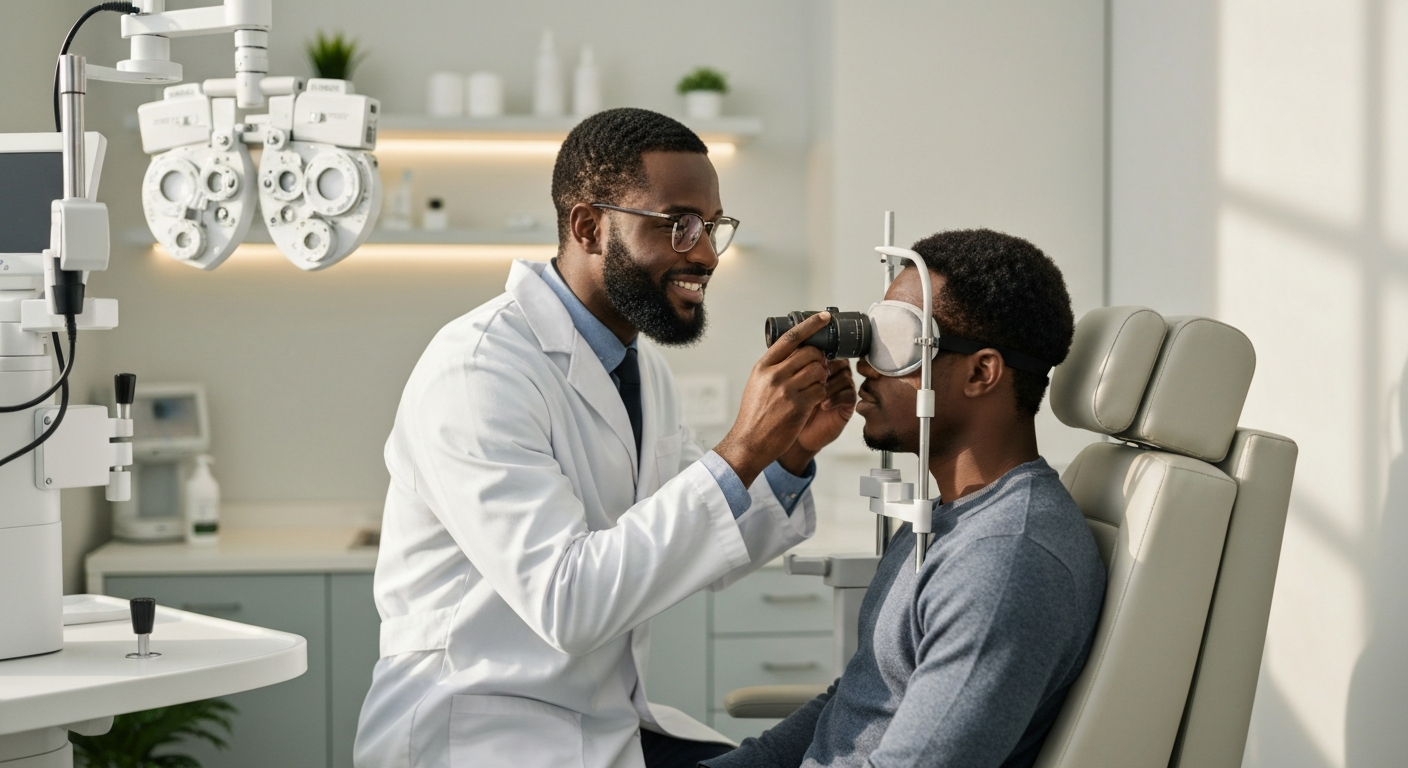
Why Thousands of People Lose Their Sight Every Year—And How a Simple Eye Examination Can Help Prevent It
Vision loss is often preventable. Learn why routine eye examinations are the single most important step you can take to preserve your sight for a lifetime.
Need Professional Eye Care Advice?
Don't leave your vision to chance. Our experienced optometrists at Allure Eyecare Ltd are ready to help you maintain healthy eyes and clear vision.